
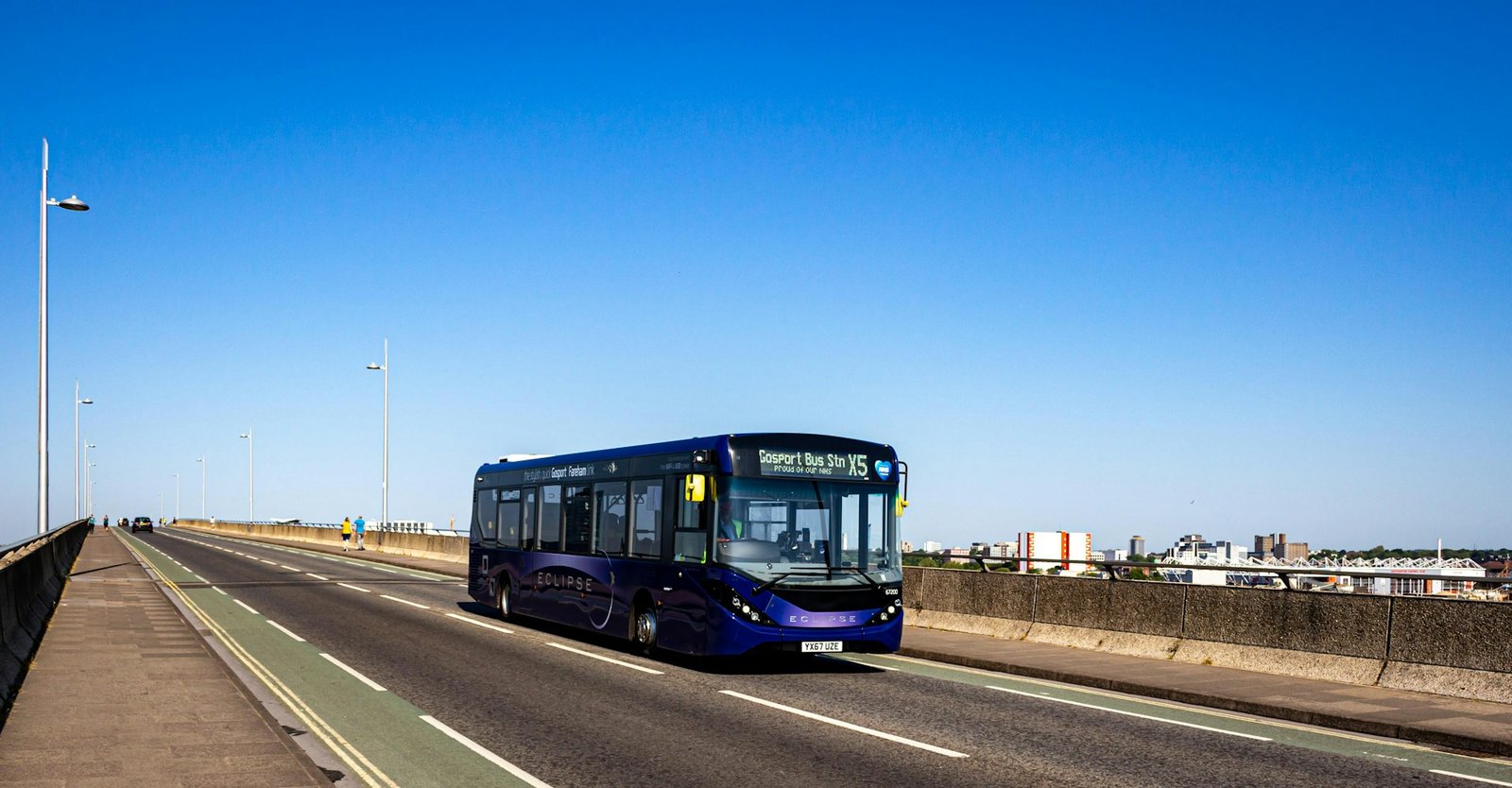
Airport Transfers, Car Rentals, or Public Transport? How to Get Around on Your Trip
Choosing how to move around at your destination is one of the most overlooked parts of trip planning. Many travelers spend weeks selecting flights and hotels, then make quick decisions about transport after landing, often paying more than necessary or choosing something that does not match their itinerary.
The right transport option saves money, reduces stress, and gives you more time to enjoy your trip. This guide compares the most common options, including airport transfers, car rentals, public transport, bikes, and long-distance trains and buses, so you can plan your movement with confidence.
Start by Mapping Your Itinerary
Before comparing options, think about where you will stay and what you plan to see. A traveler spending a week in one compact city has different needs from someone exploring several towns across a region.
List your main stops, how far apart they are, and how often you will travel between them. This simple step tells you whether you need a car, a transport pass, or just a few taxi rides.
Airport Transfers: Easy and Predictable
A pre-booked airport transfer gives you a driver waiting at arrivals who takes you directly to your hotel. It is particularly useful after a long flight, late-night arrivals, or when traveling with children, heavy luggage, or elderly relatives.
The main advantage is certainty. You know the price in advance, there is no haggling, and you avoid confusion in an unfamiliar place. The disadvantage is that it can cost more than public transport. Shared shuttles offer a middle ground, lowering the cost while keeping the convenience.
Public Transport: Affordable and Local
Trains, metros, trams, and buses are often the cheapest way to travel, and they give you a feel for local life. In many cities, public transport is also faster than driving because it avoids traffic and parking problems.
Research ahead of time. Look for day passes or city cards, which can offer unlimited travel at a fixed price and sometimes include museum discounts. Learn how to validate tickets, since fines for traveling without a valid ticket can be high. Public transport is less comfortable with heavy luggage, so consider it more carefully if you carry large bags.
Car Rentals: Freedom and Flexibility
Renting a car gives you control over your schedule and lets you reach places that public transport does not serve, such as rural villages, national parks, and scenic coastal roads. It is also practical for families and groups, since the cost can be shared.
However, driving has costs beyond the rental price, including fuel, tolls, parking, and insurance. In large cities, parking can be expensive and traffic stressful, so a car may be more trouble than it is worth.
Tips for Renting a Car
A few precautions help you avoid surprises:
- Compare prices across several providers and book early for peak seasons.
- Check the fuel policy and choose full-to-full when possible.
- Understand the insurance options and what your credit card or travel insurance already covers.
- Confirm the mileage limit, deposit, and additional driver fees.
- Photograph the car before leaving the lot to document existing damage.
- Check whether you need an international driving permit.
Learn the local traffic rules, speed limits, and parking regulations before you drive.
Bike and Scooter Rentals: Fun and Flexible
In compact, bike-friendly cities and on islands, a bicycle or scooter is a wonderful way to explore. It is inexpensive, flexible, and lets you stop wherever you like. Many destinations offer guided cycling tours, e-bike rentals, and scenic routes.
Safety comes first. Wear a helmet, check the brakes and tires before you ride, and be sure your insurance covers scooter use if you rent one. Always follow local rules and licensing requirements.
Trains and Buses: Comfortable Long-Distance Travel
For travel between cities, trains and long-distance buses are often an excellent alternative to flying. Trains in particular offer comfort, scenic views, and city-center to city-center convenience, with no airport security queues.
Book early for high-speed trains and popular routes, because advance fares are often much cheaper than same-day tickets. Buses are usually the most economical choice and can reach places that trains do not serve.
Taxis and Ride-Hailing
Taxis and ride-hailing apps are useful for short distances, late-night trips, and moments when public transport is not practical. Ride-hailing apps often show the price upfront, which helps avoid disputes.
In some countries, it is wise to agree on a fare before starting or to insist on a meter. Use official taxi stands, and avoid unlicensed drivers approaching you at the airport.
Comparing the Options
A quick comparison can guide your decision. Transfers are best for comfort and certainty. Public transport is best for low cost in cities. Car rentals are best for flexibility in rural or multi-stop trips. Bikes are best for short distances and leisure. Trains and buses are best for intercity travel.
Many trips combine several of these. You might take a pre-booked transfer on arrival, use public transport in the city, and rent a car for a day trip.
Think About Total Cost and Time
Always compare the full picture. A cheap rental car may become expensive after fuel, parking, and tolls. A cheap bus may take twice as long and cost you a day of your trip. Value your time as well as your money.
Consider group size too. For a family of four, a taxi or transfer may cost less than four train tickets.
Plan for Accessibility and Luggage
If you travel with reduced mobility, young children, or heavy luggage, choose options with step-free access and door-to-door service. Check elevators, ramps, and station layouts in advance.
Money-Saving Tips for Every Transport Type
Small habits make a real difference. Buy multi-day transit passes if you will take several rides a day. Book trains and buses early for lower fares. Compare shared and private transfers for your group size. Rent a car only for the days you need it, rather than for the entire trip, if you are staying in a city first.
Travel outside rush hours when possible, since fares and crowds are often lower. Keep small bills or a payment card ready, as some local buses do not give change.
Safety Tips While Getting Around
Keep valuables close in crowded stations and on busy buses. Use official taxis or reputable apps, and share your route with a friend if traveling at night. When driving, avoid leaving luggage visible in a parked car, and park in well-lit, secure areas.
Download offline maps so you can navigate without data, and note the address of your hotel in the local language to show a driver if needed.
Sustainable Travel Choices
Choosing trains over short flights, using public transport, walking, and cycling all reduce your environmental footprint. Many destinations now offer electric vehicle rentals and low-emission zones that encourage cleaner travel. These options are often cheaper as well as better for the places you visit.
Sample Plan: A One-Week City and Countryside Trip
Imagine a week in a European country. You arrive by plane and take a pre-booked transfer to your city hotel. For three days you rely on a metro pass and walking. On day four you take a high-speed train to a second city. On the last two days, you rent a car for a countryside loop, returning it before heading to the airport by train. This mix gives you comfort, low cost, and flexibility without paying for a car you do not need.
Booking Tips for Peak Seasons and Special Events
During festivals, school holidays, and major events, transport can sell out or surge in price. Book rental cars, transfers, and long-distance trains as early as possible. If your dates are flexible, travel a day earlier or later to avoid the busiest periods. Check local strike calendars as well, since public transport disruptions can affect your plans.
Understanding Local Rules and Customs
Every country has its own transport etiquette. Some require you to stand on one side of an escalator, others expect quiet in train carriages, and many have strict rules about tickets and validation. Learning a few basics before you travel helps you blend in and avoid fines. When driving, check whether you drive on the left or right, and look up local speed limit and alcohol laws.
Frequently Asked Questions
Is it cheaper to rent a car or use public transport?
In cities, public transport is usually cheaper. In rural areas or for groups, a rental car can be better value.
Should I pre-book my airport transfer?
It is wise after a long flight, late arrivals, or when traveling in a group. It removes uncertainty and often costs less than a last-minute taxi.
Do I need an international driving permit?
It depends on the country and your license. Check local requirements before you book.
Final Thoughts
The best transport choice depends on your itinerary, budget, group, and comfort. Plan before you land, compare the total cost, and mix options when it makes sense. To explore transfers, rentals, and more, visit the Suitcase Circle transportation page and organize every step of your journey.